
Weekly Market Update: 21 January 2026


Market Volatility Surges
Crypto saw a sharp pickup in volatility this week as Bitcoin lost the $94K structural level and retraced toward $88K, pulling broader market sentiment lower. The breakdown weighed across majors, with ETH, XRP, and SOL all posting double-digit declines. While crypto struggled to regain traction, relative strength remained in commodities, with gold and silver continuing to print fresh highs and attract risk-off flows.

Despite the drawdown, institutional behaviour remained constructive. Strategy recorded its largest Bitcoin purchase in nearly six months, with Michael Saylor announcing a $2.1B BTC buy. On the Ethereum side, Bitmine added a further $100M and increased its staked position to 1,771,936 ETH, reinforcing that longer-term allocators are still building exposure through volatility, even as short-term price action remains heavy.
$94K Breakdown Drives De-Risking
This week delivered a sharp rise in volatility, and it came at a key inflection point for Bitcoin’s chart. The long standing $94K resistance zone we’ve been tracking since November was briefly reclaimed, with BTC printing a handful of daily closes above the level and pushing out of the choppy range beneath it. However, the move lacked follow-through and quickly turned into a failed breakout. The market was unable to hold that reclaim into the weekly close, and once $94K was lost again, downside pressure accelerated.

BTC has since retraced back toward $88K, a level we’ve flagged as major support. While this zone remains important from a market structure standpoint, the speed of the move highlights how fragile liquidity still is and how quickly positioning can unwind when key levels fail. Over the last 24 hours alone, the market saw roughly $1B in long liquidations, reinforcing that this leg lower was driven more by leverage flush mechanics than spot-led selling. For now, the BTC chart remains the main weight on broader sentiment until a clearer base forms, and we can re-gain above this choppy range.
NYSE Explores 24/7 Stock Markets
NYSE is moving toward 24/7 U.S. stock trading through a separate digital platform built around tokenised assets. In simple terms, this means stocks and ETFs would be represented as digital tokens, allowing markets to stay open around the clock, similar to how crypto already operates. You still get real ownership, dividends, and voting rights. Only the plumbing moves on-chain. Importantly, this wouldn’t replace the main NYSE immediately, it would run as a parallel exchange designed to bring “always-on” access into traditional markets.
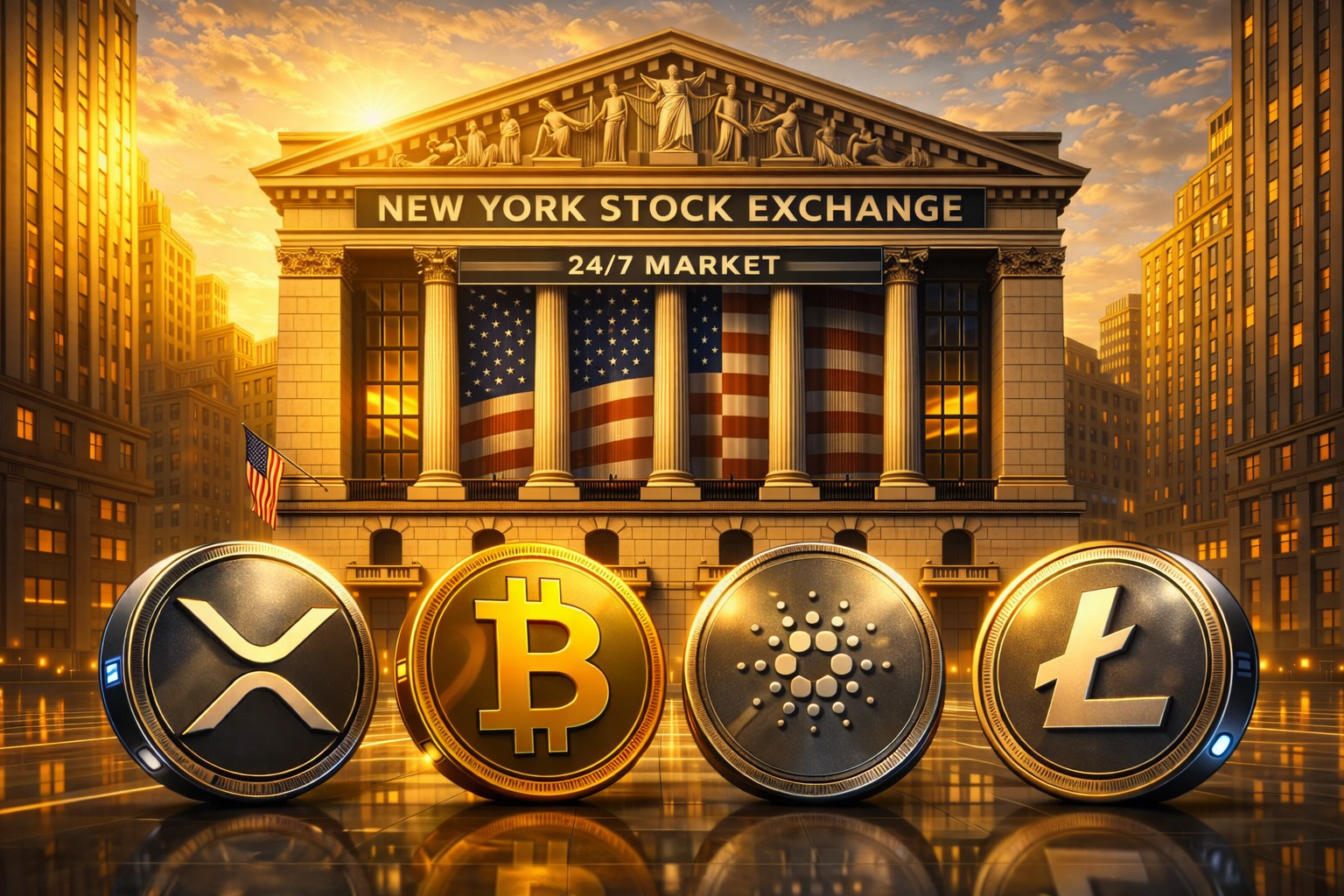
From a crypto perspective, this is a meaningful signal. Wall Street has spent years operating on limited trading hours, while crypto has normalised nonstop trading with real-time price discovery. NYSE adopting the 24/7 model, reinforces that crypto’s market structure is influencing traditional finance, and it accelerates the blending of equities, digital assets, and tokenised financial products. It also creates a clearer bridge between crypto infrastructure and traditional portfolios, especially as investors get more comfortable with blockchain-style settlement.
NYSE isn’t planning to run this directly on public blockchains like Ethereum. Instead, it’s expected to use a private blockchain, meaning the ledger is controlled by NYSE and designed to meet institutional standards around compliance, oversight, and security. The end result is still tokenised trading and potentially faster settlement, but in a more regulated and centralised structure, effectively “crypto mechanics” packaged into a traditional market wrapper.
PUMP Now Live on UpTrade
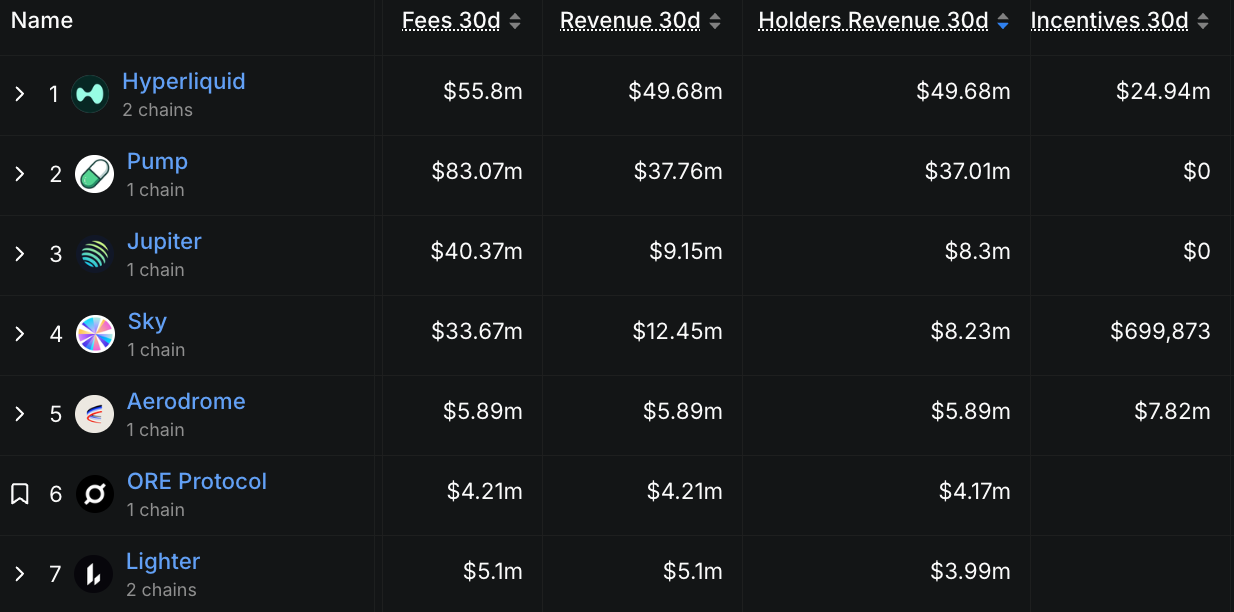
Pump.fun’s token (PUMP) is now officially live at UpTrade and available to trade via the client portal, a listing many clients have been waiting for. Pump.fun has become the largest Solana based memecoin launchpad and what stands out is that unlike most meme exposure, Pump.fun has measurable fundamentals behind it, driven by consistent fee generation. Over the last 30 days it generated $36.6M in revenue (24H: $1.33M, 7D: $7.9M), and revenue has remained above ~$1M/day since Jan 6, placing it as the #2 highest revenue-generating product in crypto over the same period.
Structurally, PUMP is designed to directly link platform activity to token value. Pump.fun captures 100% of trading and launch fees, and allocates all of it toward PUMP buybacks, with 18%+ of total supply already repurchased and burned. That framework positions PUMP as a proxy for memecoin market intensity while maintaining an observable feedback loop between demand and supply reduction. Even as high-beta assets have cooled from the excesses of late 2024, Pump.fun’s usage has remained resilient, suggesting speculative demand hasn’t disappeared, it’s simply become more selective. If broader risk appetite continues to rebuild, Pump.fun’s activity levels and buyback pressure may scale alongside it.
Tariffs Return to the Macro Narrative
Recent escalation in U.S.–EU trade tensions tied to Greenland has injected fresh volatility into global financial markets. In mid-January 2026, U.S. President Donald Trump announced 10% tariffs on imports from eight European allies (including the UK, Germany, France, and Denmark) beginning in February, with threats to increase them to 25% if European opposition to U.S. ambitions regarding Greenland persists. The move has triggered sharp pullbacks in traditional equity markets: Wall Street saw significant declines across major indices, and European benchmarks also weakened as risk sentiment deteriorated. Safe-haven assets such as gold and silver rallied. European leaders are debating retaliatory measures.
.jpg)
For volatile asset classes like cryptocurrency, these tariff threats have compounded existing macroeconomic uncertainty. Crypto markets have seen heightened swings and liquidation events as traders react to geopolitical risk, liquidity shifts, and caution from institutional investors. Reports link tariff-driven market fear with the sudden drop in Bitcoin and as traders unwind positions in response to broader market stress. While some narratives argue cryptocurrencies could eventually serve as a hedge against geopolitical and fiat instability, in the short term these policy shocks tend to amplify volatility as investors seek safer or more liquid alternatives.
CLARITY Act Hits a Turning Point
On the regulatory front, the CLARITY Act has hit an important turning point. Coinbase CEO Brian Armstrong came out publicly against the latest draft, stating that in its current form the bill would actually be worse than the regulatory uncertainty the industry is dealing with today. His key concern is that the proposal leans too heavily in favour of traditional financial institutions, potentially restricting areas like DeFi, tokenised assets, and stablecoin yields (ultimately slowing innovation in the U.S). Brian's stance was strong enough that lawmakers delayed the bill’s markup, signalling that meaningful revisions are still on the table.
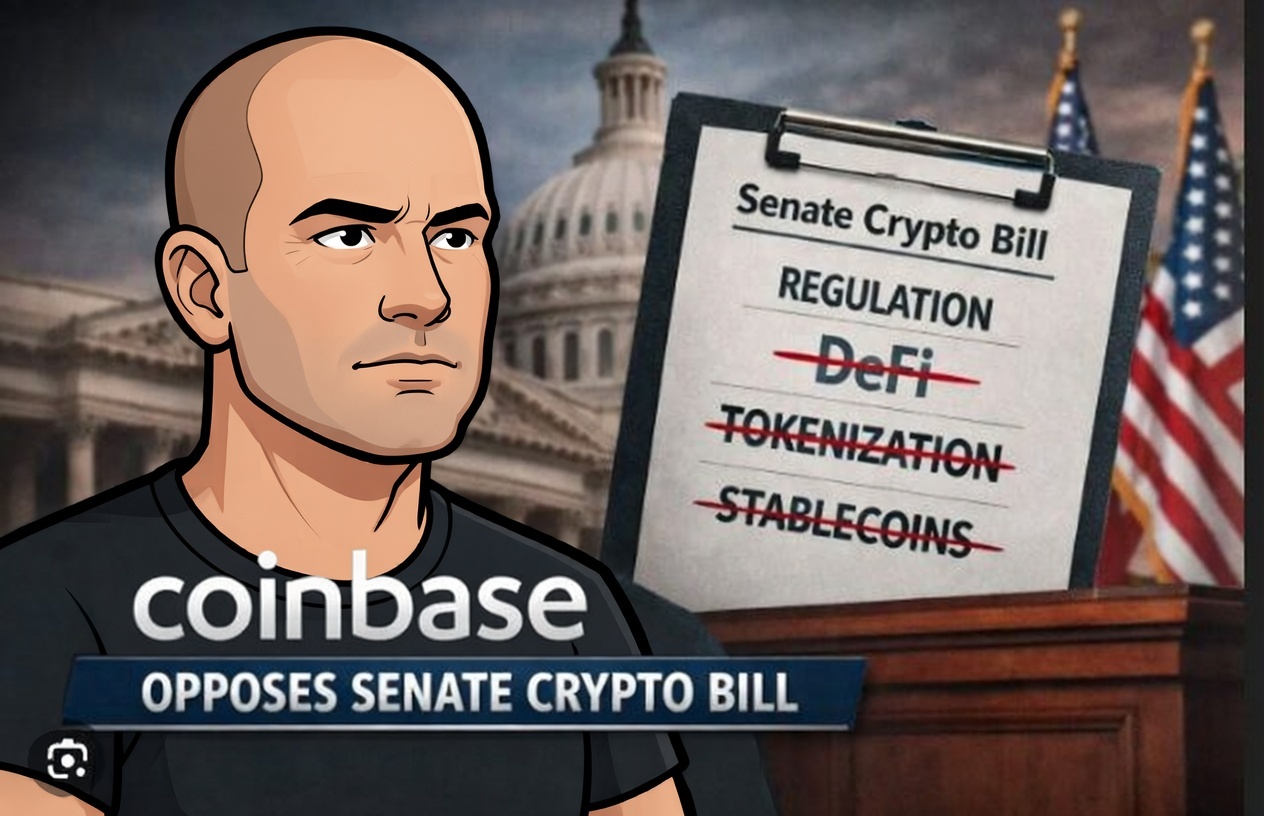
Importantly, this isn’t a breakdown in talks. Armstrong has been clear that discussions with policymakers remain constructive. Behind the scenes, there’s a clear push to get a workable deal done with banks, particularly around how stablecoins and crypto rails integrate with the existing financial system. The outcome here matters. If a compromise is reached, it could finally provide regulatory clarity that unlocks institutional capital and accelerates adoption. If not, the risk is that innovation continues to migrate offshore. For markets, this keeps regulatory headlines firmly in our focus, and will serve as a key driver of sentiment and volatility for crypto in the months ahead.
BitMine’s MrBeast Investment
Tom Lee gave one of the more unexpected pitches of the week at BitMine’s shareholder meeting, explaining why the firm made a $200M strategic investment into MrBeast’s Beast Industries. For those unfamiliar, MrBeast (Jimmy Donaldson) is widely regarded as the largest creator on YouTube, with one of the biggest audiences on the internet and reach that rivals major media brands. BitMine is positioning itself as Beast Industries’ largest corporate and strategic backer, and Lee framed the investment as a long-term “moonshot” style bet, and where he believes Ethereum, DeFi, and tokenisation could eventually intersect with mainstream consumer platforms.

The crypto connection is still speculative, but the logic is straightforward. BitMine appears to be thinking beyond simply holding and staking ETH, and toward a future where Ethereum becomes the backend for everyday digital finance, while creators act as the front-end distribution channel. Beast Industries has also reportedly filed a trademark for “MrBeast Financial,” covering areas like payments, exchanges, and lending. Nothing has been confirmed yet, but it highlights the broader direction of travel, large consumer brands exploring financial products, and crypto infrastructure potentially becoming part of that rollout.
General information only. This article is for educational purposes and does not constitute financial, investment, legal or tax advice, nor a recommendation to buy, sell or hold any asset. Cryptocurrency is a high-risk asset and you should consider your own circumstances and seek independent advice before making any decision. Uptrade does not make price predictions.
Kane leads our international research division, delivering clear, actionable insights into crypto markets and emerging investment opportunities. A true “crypto native,” he has over seven years of hands-on experience, formal qualifications in finance and economics, and has worked across Web3 hedge funds, venture capital, and leading incubators.
View all articles by Kane