
Weekly Market Update: 15 April 2026


The Ceasefire Gave Markets Room to Breathe
This week brought some much-needed oxygen to risk assets. The ceasefire between the US and Iran gave markets room to breathe, with Bitcoin pushing back toward the $72,000 to $74,000 range and equities staging a modest relief rally. Strategy added further conviction to the move, acquiring 13,927 BTC for approximately $1 billion at an average price of $71,902, bringing its total holdings to 780,897 BTC with a 5.6% BTC yield year to date. When Saylor buys a billion dollars of Bitcoin against a backdrop of geopolitical uncertainty and unrealised losses, it tends to anchor sentiment.
That said, the market is not exactly celebrating. The ceasefire looks more like a pause than a final resolution, and whether this becomes another temporary relief headline is still unclear. What stands out is that each new Trump deadline extension seems to be causing a smaller reaction than the last. The overall market such as S&P 500 and Nasdaq appear to be adjusting to the pattern itself, rather than reacting strongly to every new announcement. Volatility is still there, but it is increasingly centered around a dynamic that investors may be starting to treat as familiar.
A Fake Ledger App Drained $9.5M
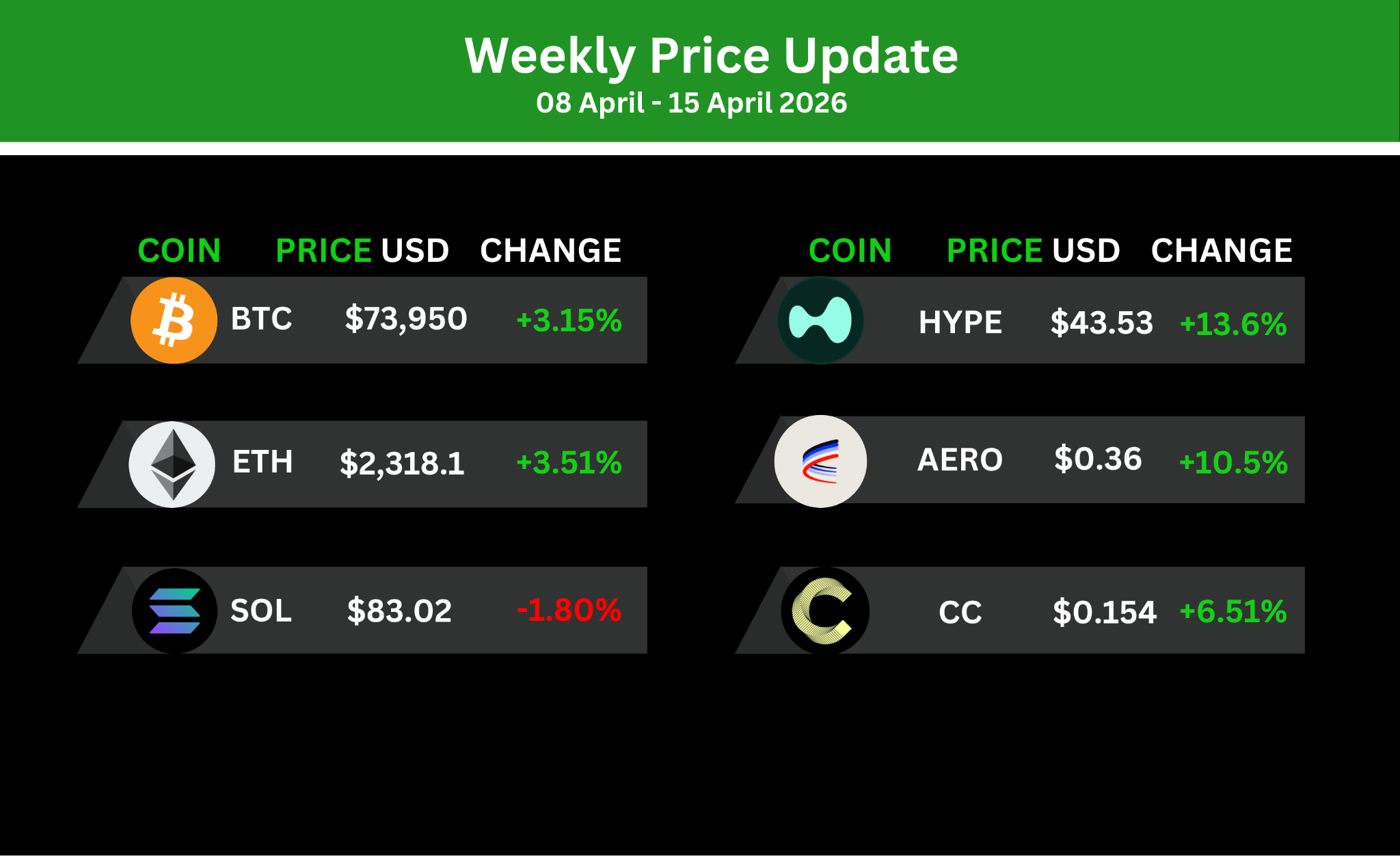
A fake Ledger Live app available on Apple's App Store drained at least $9.5 million in cryptocurrency from more than 50 victims between April 7 and 13, with three of the largest individual losses exceeding seven figures. The attack vector was simple and devastatingly effective. Users who downloaded the fake app were prompted to enter their seed recovery phrase, giving attackers immediate and complete access to their wallets across Bitcoin, Ethereum, Solana, Tron, and XRP.
One victim, Philadelphia musician G. Love, lost 5.9 BTC. Blockchain investigator ZachXBT traced the stolen funds through KuCoin deposit addresses linked to AudiA6, a centralised mixing service used to obscure illicit flows.
Apple removed the app on April 13 but has not responded publicly to questions about how it passed review in the first place, nor why action was not taken sooner after the first reports of theft emerged on April 7.
The incident is not only a reminder that the weakest link in crypto security is almost always the human layer, but also brings into question the validity of Apple’s App Store review process. A hardware wallet offers no protection once a user types their seed phrase into the wrong screen. The rule is absolute: your 24-word phrase should never be entered into any app, website, or device other than the Ledger hardware itself.
TAO's Biggest Stress Test — What Actually Happened
Covenant AI was one of the most important teams in the Bittensor ecosystem. Think of Bittensor like a marketplace of AI businesses called subnets, each one competing and contributing to the network. Covenant ran three of these subnets simultaneously, with their flagship subnet Templar being particularly significant. Templar was responsible for training a large scale AI model called Covenant-72B, using standard everyday hardware rather than expensive supercomputers. The project had genuine credibility with NVIDIA's CEO Jensen Huang publicly praising the work.
On April 10, Covenant AI founder Sam Dare announced the team would leave Bittensor entirely. He argued that the project was not as decentralised as it claimed, calling it "decentralisation theatre." He accused co-founder Jacob Steeves of having too much control behind the scenes, cutting off rewards to Covenant's subnets, removing their ability to manage systems, and making infrastructure changes without proper discussion. Dare also suggested that token sales were timed deliberately to apply economic pressure on Covenant.
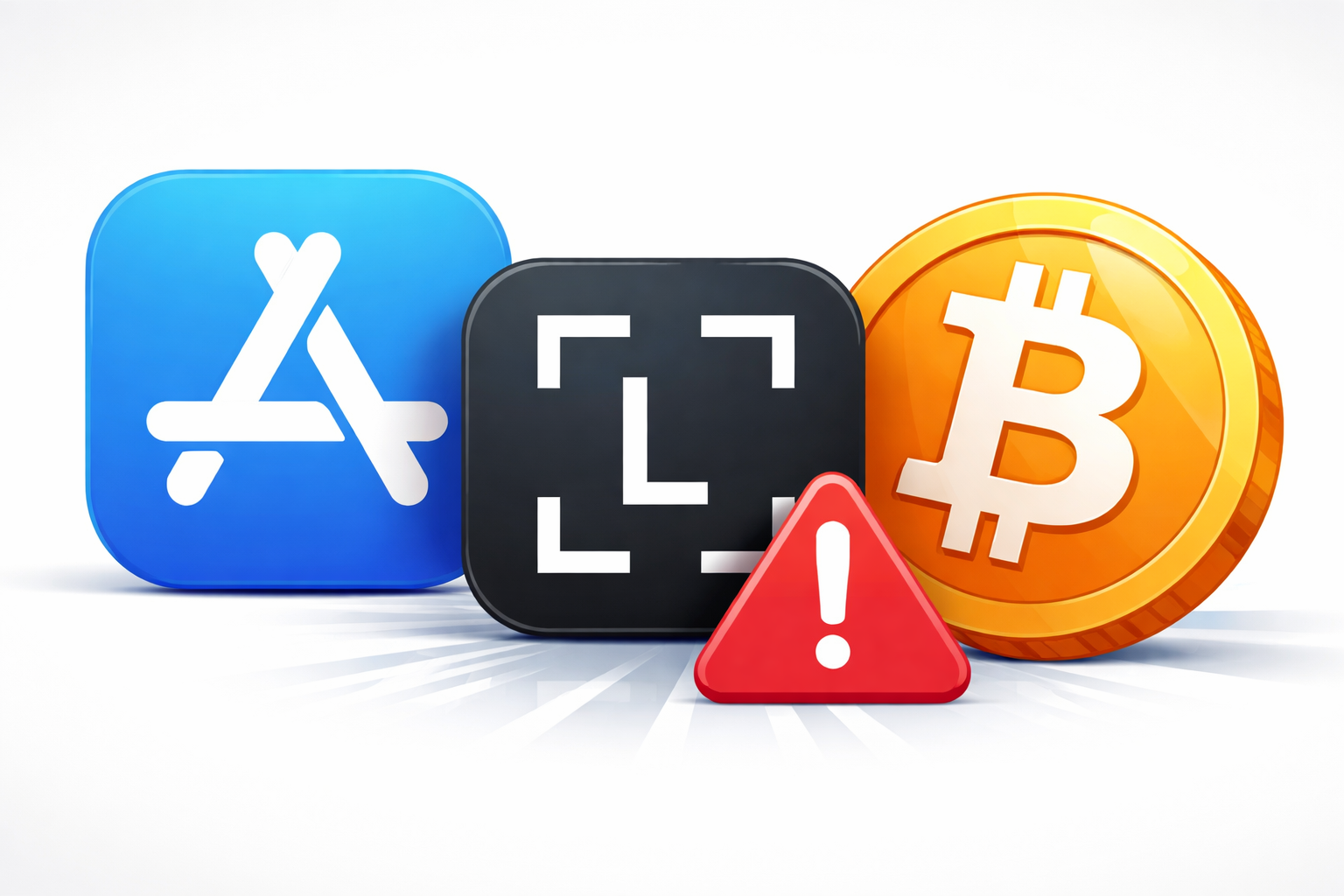
The situation worsened when around 37,000 TAO tokens were sold from the Templar side in a move linked to Dare, triggering a snowball effect. TAO dropped more than 25% in just two hours, wiping out close to $900 million in market value. Templar, Grail, and Basilica tokens all fell sharply, with losses ranging from over 50% to nearly 70%.
Steeves denied the accusations and said his own token sales were minimal relative to his total holdings. The dispute remains ongoing. For investors, the more important takeaway is structural, if a single team's departure can erase $900 million in an afternoon, the decentralisation that was supposed to prevent exactly this kind of single point of failure was not as robust as the narrative implied. How Bittensor adapts its governance and rebuilds trust with major contributors from here will be critical to its long term credibility.
World Liberty Financial — The Unravelling
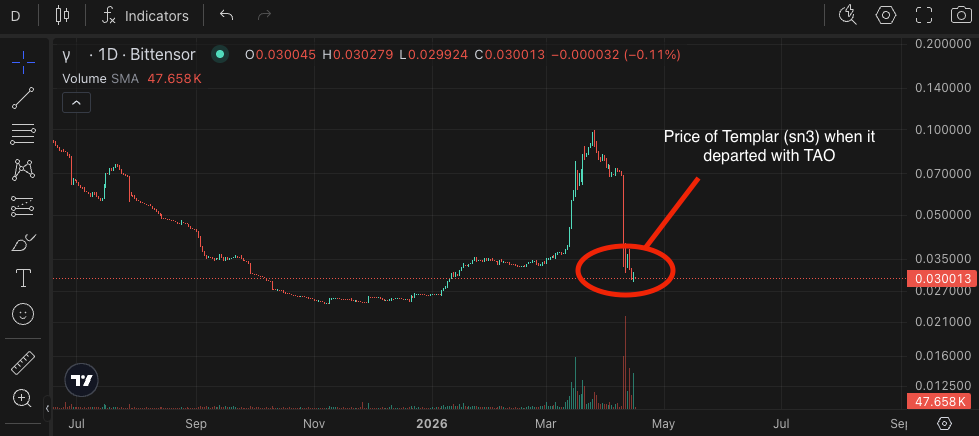
Peter Girnus, a self-described Web3 Ambassador at World Liberty Financial, published a public callout on X accusing the project of running a circular extraction loop that they themselves designed. His post was blunt, 600,000 wallets bought the memecoin, lost $3.87 billion between them, while the family collected $350 million in trading fees.
The governance backdrop was already deteriorating. World Liberty had pledged 5 billion WLFI tokens on Dolomite, a DeFi lending platform co-founded by World Liberty's own chief technology officer, to borrow $75 million in stablecoins, draining the protocol's USD1 pool while retail depositors who lent real dollars were locked out. Justin Sun then went public accusing the project of secretly embedding a backdoor blacklist function in the smart contract, granting insiders the power to freeze or confiscate any token holder's assets without notice, while alleging his own tokens had been frozen since September. World Liberty responded with "see you in court." The governance vote on staking passed with 99.12% approval — 76% of the voting power from just 10 wallets. That is not decentralisation.
A crypto-friendly US president was supposed to be one of the clearest tailwinds this industry had ever seen. Instead, World Liberty Financial has produced a textbook case of how political access and regulatory goodwill can be used not to build something meaningful, but to extract value from the retail participants who believed in the narrative. Governance only tokens have repeatedly served as a mechanism to raise real capital while delivering no economic rights in return. The value flows to insiders. The community is left holding a token that governs nothing meaningful. World Liberty is not the first to run this playbook, but its proximity to the White House makes the reputational damage to the broader industry considerably harder to ignore.
The Market's Strongest Movers — And We're Positioned in Them
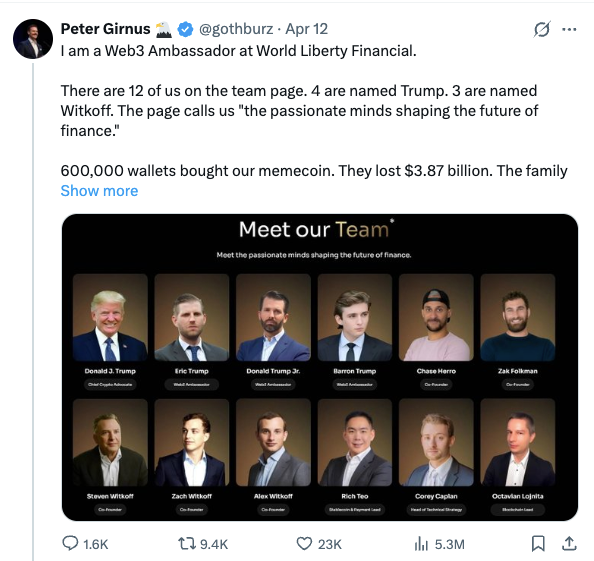
This week brought some much needed relief across crypto, and the tokens that led the bounce told us everything we need to know about what the market rewards when conditions improve. Hyperliquid, Plasma, and Aerodrome all posted gains of over 20%. This is worth paying attention to. The fastest movers in short term recoveries are commonly the same tokens that lead when sustained upside arrives.
The Alpha Portfolio captured that move directly. Double digit gains from multiple tokens and the portfolio remains green through one of the most volatile and headline-driven stretches of the year, a reflection of what disciplined positioning in the right assets actually looks like in practice.
Join Us Live — Weekly Alpha Space
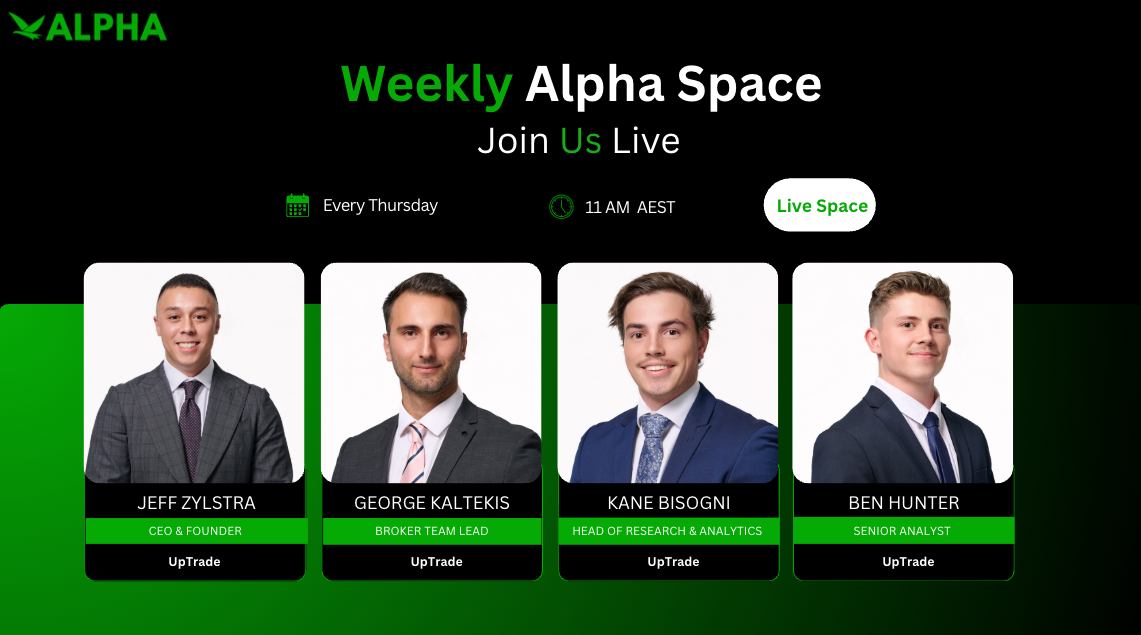
Every Thursday at 11AM Melbourne time, Jeff our CEO, George our broker lead, and Kane and Ben from the research team go live for our weekly market discussion. Think of it less like a formal webinar and more like pulling up a chair to an office conversation. It is completely unscripted and open for you to jump in and ask questions. Join UpTrade Alpha to get access to the live session links every week. uptradealpha.com
General information only. This article is for educational purposes and does not constitute financial, investment, legal or tax advice, nor a recommendation to buy, sell or hold any asset. Cryptocurrency is a high-risk asset and you should consider your own circumstances and seek independent advice before making any decision. Uptrade does not make price predictions.
Kane leads our international research division, delivering clear, actionable insights into crypto markets and emerging investment opportunities. A true “crypto native,” he has over seven years of hands-on experience, formal qualifications in finance and economics, and has worked across Web3 hedge funds, venture capital, and leading incubators.
View all articles by Kane