
Log InSign UpBook a Consultation
Broker vs exchange

A broker, not an exchange.

Most people meet crypto through a self-serve exchange, placing their own orders and managing their own custody. UpTrade works differently: a dedicated broker executes for you, holds your assets in institutional custody, and confirms pricing before you commit.

★★★★★4.9 / 5on Trustpilot · based on 100+ reviews
Self-serve exchange
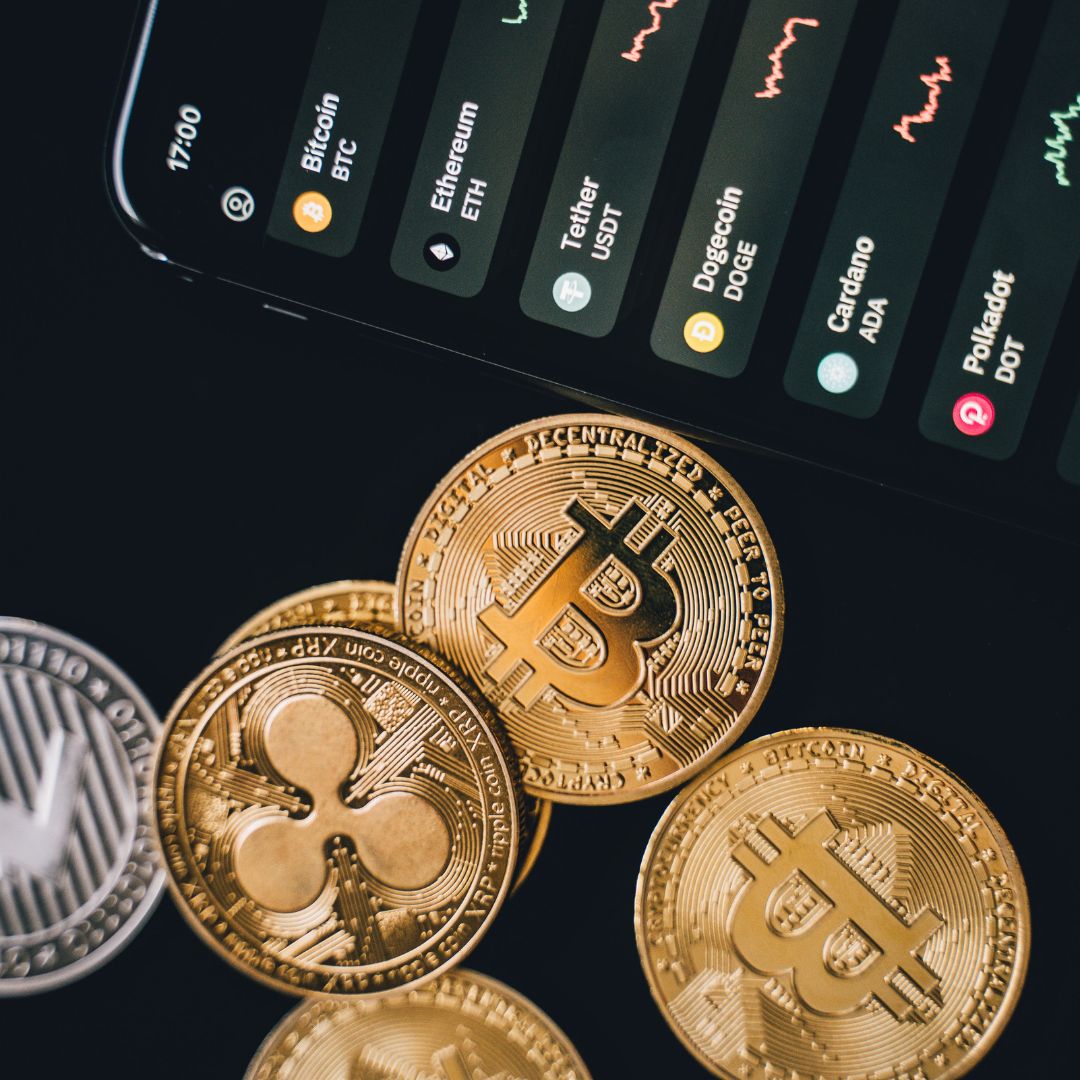
A self-serve crypto exchange app showing a live price list
You're on your ownPlace your own orders, hold your own keys, no one to call.
An UpTrade broker
The UpTrade broker team
We take the tradeA named broker executes, confirms pricing, and holds custody for you.
The problem with going it alone

On an exchange, you're on your own.

Where an exchange fits

Fast, self-directed, low-touch. Good for small trades you're happy to place and hold yourself. The trade-off is that everything, execution, custody and the risk, stays on your side of the screen.

A self-serve exchange is built to do one thing well: let you place your own orders, quickly. For a lot of people that's fine to start. But it also means you're on your own. You trade against a public order book, set your own price, and manage your own custody, the same way whether you're buying a little or a lot.

When the market moves at 2am, there's no one to call, just a help desk, a ticket queue, or a chatbot. Get a withdrawal address wrong and there's rarely a way back. None of that makes an exchange bad. It just means the work, and the risk of getting it wrong, sits entirely with you.

1:1
A dedicated broker per client
24/7
Human support, every time zone
500+
Digital assets available
Fireblocks
Institutional-grade custody
The broker answer

A person between you and the market.

A broker doesn't hand you a screen and step back. Your broker takes the trade for you.

They source pricing, confirm the execution details with you before anything is committed, and execute on your behalf. Larger orders are routed through OTC and settled privately, rather than pushed through a public order book. The same person stays with you afterwards: someone who knows your portfolio, understands what you're trying to achieve, and is directly available when your needs change.

Executed for youYour broker places and fills the trade, so you're not navigating an order book alone.
Price confirmed firstYou see the price and agree to it before anything is committed. No surprises mid-trade.
Custody handledAssets are held by UpTrade and secured using Fireblocks' institutional-grade custody infrastructure, so you don't need to manage private wallets yourself.
An UpTrade broker, reachable directly and by name
Your broker

One named person who knows you, reachable directly, the same broker every time.

Side by side

Broker vs exchange, at a glance.

The same six moments, handled two different ways. Both columns are factual. The difference is who carries the work.

A self-serve exchange
An UpTrade brokerBroker-led
01Support
$ ticket --openA help desk, ticket queue or chatbot, shared across every user on the platform.
One dedicated person who knows you, reachable directly 24/7, the same broker every time.
02Execution
$ order --selfYou place your own orders against a public order book and set your own price.
Executed on your behalf, with the quote confirmed before you commit to anything.
03Large trades
$ slippage --riskA large order can move the price against you as it fills into a public book.
Routed through OTC , and settled privately, away from the public order book.
04Custody
$ keys --your-problemSelf-managed in your own wallet, or pooled on the exchange's balance sheet.
Assets held by UpTrade and secured using Fireblocks institutional-grade custody infrastructure.
05Guidance
$ research --noneNone by design. The decisions, and the research behind them, are yours alone.
Someone who knows your portfolio and your goals, with research to back the conversation.
06Onboarding
$ setup --diySelf-guided: you set up the account and figure out the platform yourself.
Guided through every step , from opening your account to your first trade and beyond.

A self-serve exchange can be the simpler choice for small, hands-on trades. The broker model is built for people who would rather have the trade, the custody and the guidance handled for them.

Why UpTrade

What the broker model gives you.

A dedicated broker

One named broker who executes for you and knows your portfolio. The same person every call, not a queue or a chatbot.

Our services

Institutional custody

Your assets are held by UpTrade and secured using Fireblocks' institutional-grade custody infrastructure trusted by leading global financial institutions.

How custody works

Built for larger trades

Significant orders are handled through OTC execution and settled privately, rather than pushed through a public order book.

About OTC trading

24/7 human support

Real people, every time zone. Reach your broker when you need them, not when a ticket queue gets to you.

Talk to a broker
FAQ

Broker vs exchange, answered.

What's the difference between a broker and an exchange?
On an exchange, you place your own orders against a public order book and manage your own custody. A broker does that work for you: your broker confirms the execution price with you, executes the trade on your behalf, and settles the assets into institutional custody. An exchange gives you the tools; a broker handles the trade.
Is a broker more expensive than an exchange?+
Pricing works differently. An exchange typically charges a per-trade fee, and on larger orders the price can move against you as the order fills. A broker confirms the execution price before you commit, and larger trades are routed through OTC to reduce slippage. For meaningful trade sizes, price certainty and private settlement often matter more than the headline fee.
Do I lose control of my crypto with a broker?+
No. You decide what to buy or sell and approve the execution price before the trade is placed. What changes is the operational load: your broker handles execution and custody, while your assets are held by UpTrade and secured using Fireblocks' institutional-grade custody infrastructure. You make the decisions; your broker handles the rest.
Is a broker better for large trades?+
Generally, yes. A large order placed directly into a public order book can move the market and fill at a worse average price. A broker routes larger trades through OTC, where the execution price is confirmed before the trade proceeds and settlement takes place privately, so the size of the order isn't working against you.
Is UpTrade an exchange?+
No. UpTrade is a broker. We don't operate a public order book for self-directed trading. Your broker executes trades on your behalf, while your assets are held by UpTrade and secured using Fireblocks' institutional-grade custody infrastructure. UpTrade is a registered Digital Currency Exchange provider with AUSTRAC. This registration is a regulatory requirement and does not mean we operate a self-serve trading platform.
Is UpTrade regulated?+
UpTrade Pty Ltd is a registered Digital Currency Exchange provider with AUSTRAC (DCE No. DCE100856266-001). This information is general in nature and does not constitute personal financial advice; it doesn't take into account your objectives, financial situation or needs.
Ready when you are

Speak to a broker, not a screen.

Book a free consultation. No obligation, no commitment. Just a real conversation about how the broker model works for someone like you.