After a volatile correction, many wonder if crypto’s bull market is over — or simply catching its breath. This article examines where we are in the 2025 cycle, how institutional money and liquidity shifts shape momentum, and why patience, not panic, could define the next major move for long-term investors.
.jpg)
The question echoing through crypto circles right now is simple: Is the bull market over? Prices have fallen sharply, sentiment has soured, and investors are bracing for
more volatility. But cycles rarely end cleanly. What feels like the end is often just a reset — the moment when excessive leverage and optimism get flushed out before the
market rebuilds its base. Even after the recent pullback, there are clear signs of structural strength. Bitcoin’s on-chain activity remains high, institutional inflows are stabilising, and the pace of development across major ecosystems hasn’t slowed. It may not feel bullish, but history suggests that periods of exhaustion often precede the next phase of expansion.
This market isn’t euphoric, but it’s not broken either. Bitcoin’s explosive early-year rally, powered by ETF approvals and institutional flows, has given way to a period of recalibration. We’re likely in the middle innings of the 2025 cycle — a time when short-term traders lose interest, volume dries up, and long-term investors quietly accumulate.
Price consolidations like this one are normal in maturing bull markets. Previous cycles — 2017, 2021 — followed the same pattern: an early breakout, a mid-cycle correction, and
a renewed surge once the macro picture aligned. If history rhymes, the recent pullback is more of a reset than a reversal.
Crypto doesn’t trade in isolation. Global monetary conditions remain tight, with central banks keeping rates higher for longer to control inflation. That has drained liquidity
from risk assets and pressured even fundamentally strong markets. However, cracks in that stance are starting to appear. Leading economies are signalling a softer policy
tone heading into late 2025. When that shift toward easing finally takes hold, liquidity will likely flow back into high-beta assets — and crypto stands first in line.
For now, patience is key. This mid-cycle phase is less about chasing green candles and more about positioning for the next liquidity wave.
One defining feature of this cycle is the scale of institutional participation. With spot Bitcoin ETFs now entrenched and major asset managers holding crypto on balance
sheets, the market has matured dramatically. Institutions don’t trade emotionally. They scale in and out slowly, following risk models and macro signals. That’s why this bull
market feels steadier — and slower — than the wild surges of 2017 or 2021. The downside of this institutional presence is that rallies can take longer to form. The upside is that corrections, like the recent one, tend to be orderly rather than catastrophic. Crypto is no longer a purely retail playground; it’s an emerging asset class integrated into global portfolios.
The recent drawdown was uncomfortable — but it wasn’t unnatural. When funding rates and leverage build up, the market needs to reset. That’s exactly what happened: overextended traders were flushed out, long-term holders remained, and liquidity moved back to stronger hands. This kind of shakeout serves a purpose.
It clears speculative froth, resets funding rates, and lays the foundation for more sustainable growth. Historically, each bull cycle has featured multiple 20–30% corrections
before making new highs. The key difference this time is that institutional demand remains intact, suggesting the floor may be stronger than many assume.
Even as prices consolidate, innovation continues beneath the surface:
Each of these verticals adds real value, attracting developers and long-term capital — the foundation of the next uptrend.
Markets rise on optimism and fall on fatigue. The middle of a cycle always feels the hardest — the excitement fades, narratives slow, and conviction gets tested. But this
phase is also where professional investors do their best work.They rebalance, accumulate, and prepare for the next macro catalyst while retail sentiment hits its lowest point.
The lesson is simple: markets rarely reward impatience.As one Uptrade analyst said, “When the market feels quiet, that’s often when smart money gets loud behind the scenes.”
Crypto history doesn’t repeat, but it does rhyme.After every halving or major catalyst, markets surge, cool off, consolidate, and then surprise on the upside once liquidity
returns. In 2017, Bitcoin fell over 30% four separate times before hitting its all-time high. In 2021, corrections shook out retail traders repeatedly before the final push.
Each reset rebalanced the market, allowing stronger participants to build positions. Today’s environment looks similar — a long plateau that ends with an acceleration when [macro and sentiment align.
The next major move will likely depend on one or more of these catalysts:
Each of these factors reinforces the same point: crypto’s trajectory now mirrors that of a maturing global market, not a speculative niche.
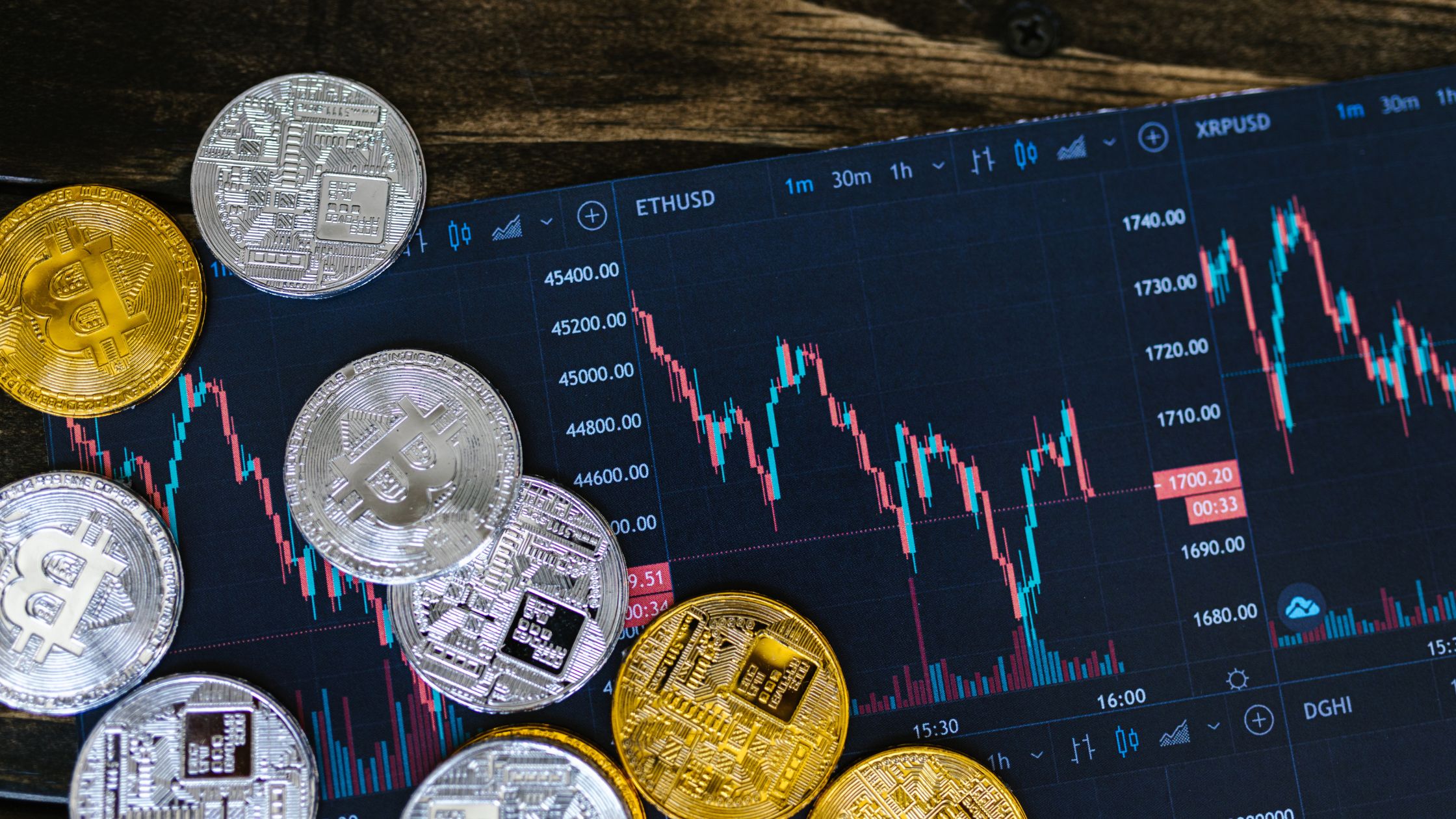
This isn’t the phase to overtrade or overreact.
Instead, investors can focus on:
This patient, strategic approach separates professionals from speculators.
The Role of Bitcoin’s Strategic Reserve
One of the more underappreciated developments in this cycle is the Bitcoin Strategic Reserve initiative. Its growing visibility has helped position Bitcoin as a legitimate
treasury asset, further integrating it into the macro economy. This shift reinforces Bitcoin’s role as a digital reserve asset — less about short-term speculation, more about
long-term stability and sovereignty. As global uncertainty persists, that narrative could gain renewed traction, even among traditional investors who once dismissed the idea entirely.
Despite short-term pain, the fundamental story for crypto remains intact — arguably stronger than ever.
Every cycle leaves behind better infrastructure, stronger regulation, and more sophisticated capital.
Compared to five years ago, crypto markets now have:
These advancements make each correction less destructive and each recovery faster. Volatility is still part of the journey, but it’s happening within a far sturdier framework
than before.
It’s tempting to judge crypto by price alone. But price is just the surface. Underneath, the infrastructure is solidifying, user adoption is climbing, and traditional capital is integrating permanently.Every major asset class — from equities to commodities — went through the same growing pains. What feels like stagnation is often consolidation;
what feels like fear is often opportunity. As cycles lengthen and volatility compresses, crypto is transitioning from a speculative playground to a permanent fixture of global finance.
The crypto bull market hasn’t ended — it’s maturing. What we’re witnessing isn’t collapse, but calibration: a rebalancing of leverage, sentiment, and liquidity after a historic run.
When the next liquidity wave returns, those positioned early will benefit most.
UpTrade helps investors navigate these evolving market phases with professional insights, secure custody, and institutional-grade trading access — empowering clients to stay confident, even when the market feels uncertain.
General information only. This article is for educational purposes and does not constitute financial, investment, legal or tax advice, nor a recommendation to buy, sell or hold any asset. Cryptocurrency is a high-risk asset and you should consider your own circumstances and seek independent advice before making any decision. UpTrade does not make price predictions.

Market updates, new explainers and the occasional Alpha Pro report, sent once a week. Unsubscribe anytime.